
Cankers
Cankers are localised dead areas on tree bark, branches, or stems, often caused by fungal or bacterial infections. They can weaken the tree, making it more vulnerable to breakage, decay, and further infections. Cankers are particularly common in fruit trees (Apple, Pear, Cherry), hardwoods (Oak, Maple), and conifers (Pine, Spruce).
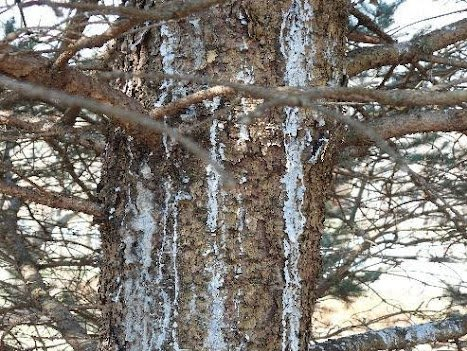
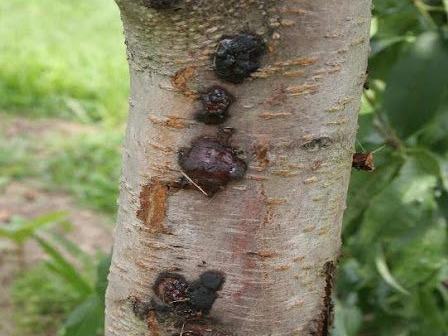
1. Causes of Cankers
A. Fungal Cankers
Fungi enter through wounds, cracks, or insect damage, leading to dead patches on bark.
• Cytospora Canker (Cytospora spp.) – Affects stone fruits, Spruce, and Poplars.
• Nectria Canker (Nectria spp.) – Causes sunken lesions on hardwoods like Maple and Beech.
• Hypoxylon Canker (Hypoxylon spp.) – Affects Oaks, reducing structural integrity.
• Botryosphaeria Canker (Botryosphaeria spp.) – Infects stressed Apple, Pear, and Oak trees.
B. Bacterial Cankers
Bacteria infect trees through wounds, often oozing sap from affected areas.
• Pseudomonas Syringae – Affects Cherry, Plum, and stone fruit trees.
• Fire Blight (Erwinia Amylovora) – Causes sunken cankers on Apples and Pears.
C. Environmental Stress Cankers
Non-infectious cankers develop due to:
• Frost cracks from temperature fluctuations.
• Sunscald from intense sunlight on thin-barked trees.
• Mechanical injury from lawnmowers, pruning, or animal damage.
2. Symptoms of Cankers
• Sunken, discoloured, or swollen lesions on bark.
• Cracked or peeling bark around the affected area.
• Oozing sap, gum, or resin (common in bacterial infections).
• Wilted leaves and dieback above the canker.
• Fungal fruiting bodies (spore-producing structures) in advanced cases.
3. Management and Control Strategies
A. Preventative Measures
• Prune in Dry Weather: Prune trees in late summer or winter to reduce infection risk.
• Sterilize Pruning Tools: Use 10% bleach or alcohol solution between cuts.
• Avoid Wounding Trees: Be careful with mowers, trimmers, and equipment.
• Improve Tree Health: Water, fertilize, and mulch properly to reduce stress.
B. Canker Treatment
• Remove Infected Branches: Cut at least 6–12 inches below the canker into healthy wood.
• Apply Wound Sealants (if necessary): Use pruning paint only for high-risk infections (bacterial cankers).
• Fungicide/Bactericide Sprays: Copper-based sprays can help prevent bacterial cankers.
C. Severe Infections – Tree Removal
• If cankers girdle (completely encircle) a branch or trunk, the tree may die.
• Remove trees with extensive cankers to prevent spread.
4. Impact of Cankers on Trees
• Weakened Structural Integrity: Trees become more prone to breaking in storms.
• Reduced Growth and Productivity: Fruit and nut trees suffer significant yield losses.
• Increased Vulnerability to Other Diseases: Secondary infections and decay fungi invade weakened areas.

