
Dutch Elm Disease
Dutch Elm Disease (DED) is a devastating fungal disease that affects Elm trees (Ulmus spp.). It is caused by the fungi Ophiostoma Novo-Ulmi and Ophiostoma Ulmi and spreads through Elm Bark Beetles (Scolytus spp., Hylurgopinus Rufipes) or root grafts between trees. DED has led to the decline of millions of Elm trees worldwide.
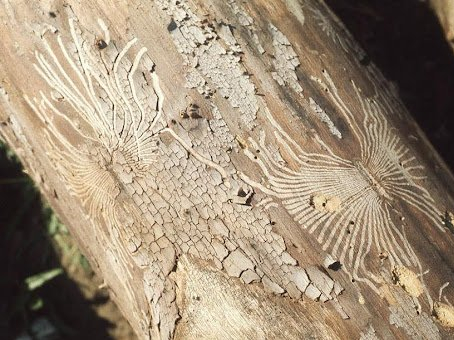
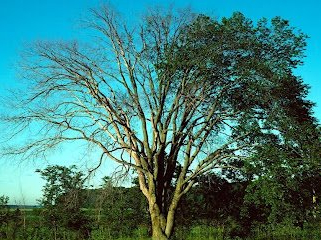
1. Symptoms of Dutch Elm Disease
Early Symptoms
• Wilting and yellowing of leaves on individual branches (often starting at the top of the tree).
• Leaves curl, turn brown, and fall prematurely.
Progression of the Disease
• Branch Dieback: Affected branches gradually die, and the infection spreads down the tree.
• Dark Streaks in Wood: If bark is peeled back, dark brown streaks can be seen in the sapwood.
• Complete Tree Death: If untreated, the entire tree dies within one to several years, depending on the species and environmental conditions.
2. Causes and Spread of Dutch Elm Disease
A. Fungal Pathogen
• Ophiostoma Novo-Ulmi (more aggressive strain, widespread today).
• Ophiostoma Ulmi (older, less aggressive strain).
B. Transmission
1. Elm Bark Beetles
• The fungus is carried by European Elm Bark Beetles (Scolytus Multistriatus) and Native Elm Bark Beetles (Hylurgopinus rufipes).
• Beetles lay eggs under elm bark, and emerging beetles pick up fungal spores, spreading them to new trees when feeding.
2. Root Grafts
• Nearby Elms can become infected when their roots fuse underground, allowing the fungus to spread directly from one tree to another.
3. Human Activity
• Transporting infected firewood or logs can introduce the disease to new areas.
3. Management and Control Strategies
A. Preventative Measures
• Resistant Elm Varieties: Plant disease-resistant species like Ulmus Americana ‘Princeton’ or Ulmus ‘New Horizon’.
• Prune Infected Branches: Early removal of affected branches can slow disease spread.
• Sanitize Tools: Disinfect pruning tools with bleach (10% solution) or alcohol to prevent spreading spores.
• Remove and Destroy Diseased Trees: Promptly remove dead or infected Elms to reduce beetle breeding sites. Debark stumps, burn logs on or off site and process branches though a wood chipper.
B. Insect Control
• Elm Bark Beetle Management:
• Apply insecticides to prevent beetle infestation.
• Remove and burn beetle-infested logs.
• Use beetle traps to monitor populations.
C. Fungicide Injections
• Systemic fungicides (e.g., propiconazole, thiabendazole) can be injected into trees before infection as a protective measure.
• Injections must be done by professionals and repeated every 1-3 years.
D. Root Graft Barriers
• If DED spreads through root grafts, trenches (3-4 feet deep) can be dug between infected and healthy trees to prevent underground transmission.
4. Impact of Dutch Elm Disease
• Severe Tree Loss: Millions of elm trees have died, altering landscapes and ecosystems.
• Urban Canopy Decline: Many cities lost historic avenues of trees.


