
Meripilus Giganteus
Meripilus Giganteus, a fungal pathogen that causes root rot and butt rot in trees. Meripilus is known for infecting various hardwood species, particularly Oak, Beech, and other broadleaf trees. This fungus can lead to the gradual weakening and eventual collapse of affected trees.
Meripilus Disease Overview
• Fungus: Meripilus Giganteus is the most commonly known species, and it is a wood-decaying fungus.
• Common Name: Giant Polypore or Root Rot Fungus.
Symptoms of Meripilus Infection
A. Initial Symptoms
• Leaf yellowing and wilting (often occurring in late summer).
• Stunted or reduced growth.
• Premature leaf drop as the infection progresses.
B. Advanced Symptoms
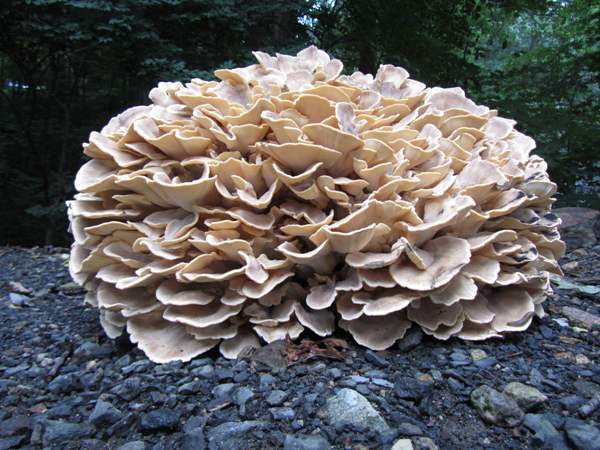
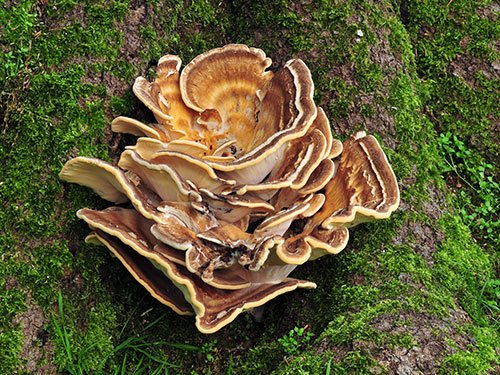
• Fruiting Bodies (Conks): Large, white to yellowish fruiting bodies appear at the base of the tree or on the roots. These can be up to 50 cm (20 inches) across and look like a crescent shaped shelf around the tree.
• Root Decay: Meripilus causes rot in the roots and the lower trunk, leading to structural instability.
• Soft, decayed wood in the affected areas.
• Leaning trees due to weakened roots, especially in windy conditions.
C. Tree Decline
• Over time, the infection causes tree mortality as the fungus destroys the wood structure, rendering the tree unable to absorb water or nutrients properly.
Transmission and Spread of Meripilus
• Spread by spores: Meripilus releases large quantities of spores into the air, which can infect new trees if they land on wounds or open areas.
• Root-to-root transmission: The fungus can spread to nearby trees through root grafts or direct contact with infected roots.
• Infected wood: Spores can remain viable in decaying stumps or wood for years, facilitating the spread to nearby trees.
Management and Control of Meripilus
A. Preventative Measures
• Avoid Wounding Trees: Injuries from pruning, storms, or machinery provide entry points for the fungus.
• Sanitize Pruning Tools: Clean tools to prevent spreading the fungus to healthy trees.
• Improve Tree Health: Ensure trees are well-watered, fertilized, and free of other stressors, which can make them more susceptible to infections.
• Proper Tree Spacing: Avoid planting trees too close together, which encourages root contact and fungal spread.
B. Management of Infected Trees
• Remove Infected Trees: Trees with extensive Meripilus infection may need to be removed, especially if they pose a hazard due to structural instability.
• Remove Infected Roots: When possible, remove infected roots and stumps to reduce fungal spread.
• Burn or Dispose of Infected Material: Do not leave infected wood around, as it can produce spores that spread the disease.
C. Fungicide Treatment
• While fungicides can be used for some fungal infections, they are generally not effective for treating Meripilus once infection has set in.
Impact of Meripilus Disease
• Tree Decline and Mortality: This disease can significantly weaken trees, leading to dieback and ultimately, tree death.
• Structural Instability: The root and butt rot caused by Meripilus makes affected trees prone to breaking, especially in storms or high winds.


