
Ganoderma
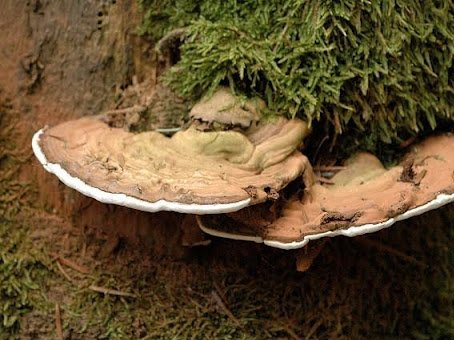
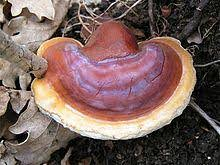
Ganoderma is a fungal pathogen that causes root and butt rot in trees, leading to structural weakening, decline, and eventual death. It is caused by species of the Ganoderma genus, particularly Ganoderma Lucidum, Ganoderma Applanatum, and Ganoderma Zonatum. These fungi produce hard, shelf-like fruiting bodies (conks) on the lower trunk, which are key diagnostic features.
1. Symptoms of Ganoderma Infection
A. Early Symptoms
• Yellowing or wilting leaves
• Stunted growth
• Dieback of branches or canopy thinning
B. Advanced Symptoms
• Decay at the base of the tree
• Soft, spongy wood that easily breaks
• Leaning or instability due to root rot
• Formation of large, hard conks (fungal brackets) at the base of the trunk
C. Identifying Ganoderma Conks (Fruiting Bodies)
• Woody, shelf-like structures growing from the base of infected trees
• Colours range from reddish-brown to black with a white edge
• Lower side of conk has pores, not gills
• Releases brown spores, often covering nearby surfaces
2. Causes and Transmission
• Infects trees through root wounds or natural cracks
• Spreads through soil via fungal spores
• More common in old, stressed, or weakened trees
• Can persist in dead tree stumps and spread to new plantings
3. Trees Commonly Affected by Ganoderma
• Palms (especially date palms & coconut palms)
• Oaks
• Maples
• Elms
• Ficus (fig trees)
4. Management and Control Strategies
A. Prevention (Best Approach)
• Avoid Injuring Roots & Trunks (fungus enters through wounds)
• Improve Drainage & Soil Health to reduce stress
• Sanitize Tools when pruning or working near infected trees
• Remove Stumps & Dead Roots to eliminate fungal reservoirs
B. Treatment Options
• No chemical cure exists for Ganoderma infections
• Remove Infected Trees if structural integrity is compromised
• Fungicide Treatments: Some systemic fungicides (e.g., propiconazole) may slow disease progression but won’t cure it
• Use Resistant Species when replanting in affected areas
5. Impact of Ganoderma Disease
• Severe structural weakening leads to tree failure
• Hazardous for urban areas (falling trees or branches)
• Significant economic loss in palm plantations and landscaping


