
Silver Leaf
Silver Leaf is a fungal disease caused by Chondrostereum Purpureum, which primarily affects fruit trees especially Prunus (such as Plums and Cherries). The disease gets its name from the characteristic silvery sheen that develops on infected leaves due to changes in the leaf structure, affecting water balance.
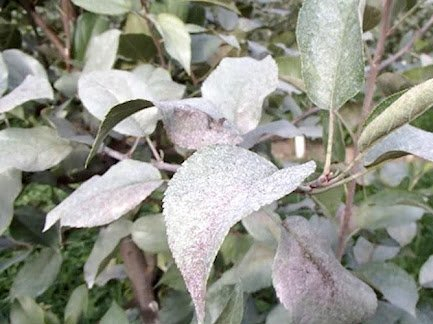
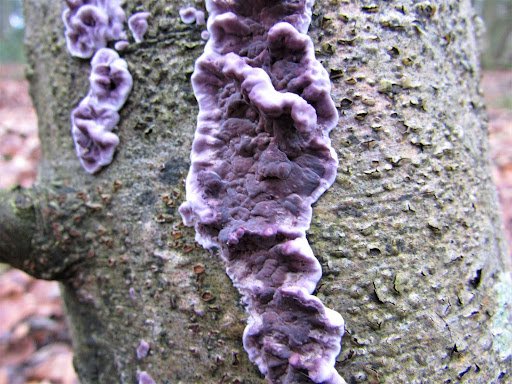
1. Symptoms of Silver Leaf Disease
A. Leaf Symptoms
• Leaves develop a silvery or metallic sheen due to changes in the epidermal layer.
• Leaves may become brittle, curled, or wilted over time.
B. Wood and Branch Symptoms
• Dieback of branches, starting with the outermost twigs.
• Dark brown or purple staining in the wood when cut.
• Fungal fruiting bodies (bracket-like toadstool growths) appear on dead wood, especially in autumn and winter.
C. Whole Tree Effects
• Progressive decline in tree vigour, with reduced fruit production.
• In severe cases, the entire tree may die within a couple of years.
2. Causes and Spread of Silver Leaf Disease
• Fungus Entry via Wounds: Chondrostereum Purpureum infects trees through pruning cuts, storm damage, or other wounds.
• Spores Spread by Wind & Rain: The fungus produces spores in autumn and winter, which spread to new trees via wind and rain.
• Fungal Fruiting Bodies on Dead Wood: The fungus survives on dead branches, logs, or stumps and continues to produce spores.
3. Management and Control Strategies
A. Preventative Measures
• Prune at the Right Time: Only prune trees in summer (June-August) when sap flow is high, and fungal spores are least active, reducing infection risk.
• Sanitize Pruning Tools: Clean tools with bleach (10% solution) or alcohol after use.
• Avoid Wounding Trees: Minimize unnecessary damage from mowing or mechanical injury.
B. Fungicide Treatment
• Protect Pruning Wounds: Apply a pruning sealant or fungicidal wound paint to freshly cut branches.
• Copper-Based Fungicides: Spraying copper-based fungicides in high-risk areas may help reduce fungal spread.
C. Removing Infected Wood
• Cut & Destroy Affected Branches: Remove infected branches at least 30 cm (12 inches) below the visible symptoms.
• Burn or Dispose of Dead Wood: Do not leave infected wood lying around, as it can produce spores.
D. Encouraging Tree Health
• Fertilize and Water Properly: Healthy trees are more resistant to infection.
• Mulching: Helps maintain soil moisture and reduces tree stress.
4. Impact of Silver Leaf Disease
• Reduced Fruit Yield: Affected fruit trees produce fewer and lower-quality fruits.
• Structural Weakness: Trees become weak and more susceptible to breaking.


